Academy
Design Patent Search: How to Check If a Design Is Already Protected
Learn how to run a design patent search step by step, using classification and image comparison, to check if a product's look is already protected.
By Patent77 Team · 6 min read · published 2026-07-21
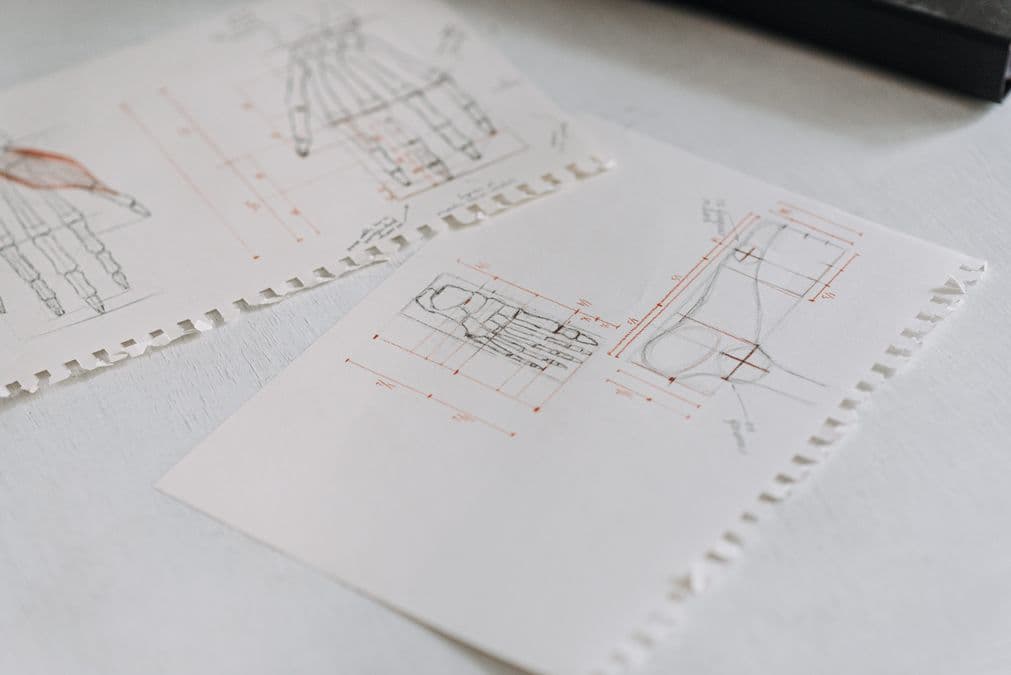
Say you've designed a new desk lamp with an unusual curved arm, and before you go into production, you want to know one thing: is that shape already locked up by someone else's patent? Most people assume that if a product isn't obviously a copy, its look is fair game. It often isn't. Design patents protect the appearance of a product, not what it does, and that's a separate right from the invention itself. A design patent search checks whether the way something looks has already been claimed. Skip it, and you could launch a product that infringes a right you never knew existed. This guide shows you exactly how to check, step by step.
What actually qualifies for a design patent
A design patent covers a new, original and ornamental design for an "article of manufacture" — patent law's term for a manufactured object. In plain terms, that means the shape, the surface pattern, or the overall visual impression of a product, not the mechanics inside it.
So a design patent might cover the sculpted curves of a chair, the pattern etched onto a phone case, or the silhouette of a perfume bottle. It won't cover how the chair folds, how the phone case absorbs shock, or how the bottle dispenses liquid. Those functional features fall under a utility patent instead. This is the core split to understand: ornamental design versus function. If a feature exists purely because it looks good, it's design territory. If it exists because it makes the product work better, it's utility territory. Plenty of products need both, and we'll come back to that.
There's one wrinkle worth knowing early. A shape that's dictated purely by function, rather than by choice, generally can't get design protection. If a bracket only works when it's L-shaped, and there's no other sensible way to make it, that L-shape is functional rather than ornamental. Design patents reward genuine aesthetic choices — the curve you added because it looked better, not the curve you were forced into because physics demanded it.
Why a design patent search works differently
Searching for a utility patent usually starts with keywords, because inventions are described in words: "a hinge mechanism for folding..." or "a method for cooling...". Design patents don't work that way. The "invention" is visual, so keywords are a blunt tool at best. Two design patents can use almost identical language in their titles while showing completely different shapes, and vice versa.
Instead, design patent search leans on two things: classification and image comparison.
Classification groups designs by the type of article, using either the US design patent classification system or the international Locarno classification, which sorts designs into classes like "furniture," "packages and containers," or "articles for the care and handling of foods." Once you know which class your product sits in, you can browse everything filed under it rather than guessing at search terms.
Image comparison is the actual test. Patent examiners compare drawings to decide whether a design is new, and so should you. This is closer to flicking through a visual catalogue than typing a search query.
A step-by-step method you can actually follow
Here's a practical approach, using free public tools.
- Identify the article type. Be precise. "Bottle" is too broad; "single-serve beverage bottle with integrated handle" narrows things down.
- Find the relevant classification. Look up the US design class or the Locarno class that matches your article. The USPTO publishes classification guides, and Google Patents lets you filter by classification code too.
- Browse that class using images, not words. Use Google Patents image search or the USPTO's design search tools, and set the results to show drawings. Scroll through them the way you'd flick through a lookbook.
- Compare drawings side by side. Look at the overall visual impression an ordinary observer would get, not tiny details. Patent examiners use this "ordinary observer" test, and it's a sensible one to borrow.
- Check filing and grant dates. A similar design filed after yours doesn't count against you. One filed before does. Note the dates on anything close.
- Read the claim, not just the drawings. A design patent's claim is short, usually just "the ornamental design for [article], as shown," but the drawings themselves define exactly what's protected, including any dashed lines, which usually show unclaimed context rather than protected features.
A tip that saves a lot of scrolling: sort by filing date and work backwards from today, since recent filings are the ones most likely to clash with a product you're about to launch. It's also worth checking design patents held by direct competitors specifically, as they're the most likely source of an accidental overlap — a rival packaging firm redesigning a similar container is far more probable than a stranger in an unrelated field.
If you want a broader sweep before committing serious design time or budget, running a fuller patent search alongside this visual check is worth doing, since it can also flag related utility filings you'd otherwise miss.
How long protection actually lasts
Here's a fact worth flagging clearly, because it trips people up: a US design patent lasts 15 years from the date it's granted, and there are no maintenance fees to keep it alive. Once it's granted, it's granted for the full term, full stop.
That's a genuinely different regime from utility patents, which can run up to 20 years from filing but require periodic maintenance fee payments to stay in force. Miss a fee on a utility patent, and it can lapse early. A design patent has no such trap.
Utility patent vs design patent, side by side
| Utility patent | Design patent | |
|---|---|---|
| Protects | How something works (function, mechanism, process) | How something looks (shape, pattern, overall appearance) |
| Duration | Up to 20 years from filing | 15 years from grant |
| Maintenance fees | Yes, due at intervals to keep it active | None |
| Typical cost | Higher, due to complexity of claims | Lower, generally a simpler application |
| Examination focus | Novelty and non-obviousness of function | Novelty of ornamental appearance, "ordinary observer" test |
Key takeaways
- Design patents protect appearance, not function. Function is covered by utility patents.
- Search by image and classification, not keywords, since the invention is visual.
- Use Locarno or US design classes to narrow down which drawings to browse.
- A granted US design patent lasts 15 years, with no maintenance fees.
- Many products carry both a utility patent and a design patent, protecting different aspects at once.
A packaging designer we spoke to described checking a new jar lid shape before pitching it to a client. "I assumed that because the lid did something slightly new mechanically, the shape itself was automatically fair game," she said. "It wasn't until I actually browsed the design class on Google Patents that I realised someone had already registered a strikingly similar silhouette five years earlier. It didn't kill the project, but it meant we had to tweak the profile before going any further." That's the value of doing this check early, before drawings turn into tooling costs.
Where this fits with your wider IP strategy
A design patent search is one piece of a bigger picture. If you're still working out whether your product idea is patentable at all, it's worth reading how to patent an idea first, since "idea" and "invention" aren't the same thing in patent law. If your product will sell outside the US, don't assume a single search covers you everywhere; our guide to international patent search explains why design and utility rights are territorial. And if you want the fundamentals of a proper prior art check, how to do a patent search is the place to start.
Some product categories raise odd edge cases. Food and drink businesses often ask whether a recipe itself can be locked down; we've covered that separately in can you patent a recipe, and the short answer is that packaging shape is usually the design-patentable part, not the recipe itself.
If you'd rather not piece this together by hand every time a new design lands on your desk, our own pricing page shows how Patent77 can run these checks faster across both utility and design patent literature.
This article is general information about how design patent searching works, not legal advice. Patent law has plenty of exceptions and grey areas, and a qualified patent attorney can assess your specific product and jurisdiction properly. If real money or a real launch date is riding on the answer, get professional advice before you proceed.
Sources and further reading
Common questions
What is the difference between a design patent and a utility patent?
A design patent protects how something looks — its shape, pattern or overall visual appearance. A utility patent protects how something works — the mechanism, process or function behind it. A product can hold both at once, covering different things.
How do you search for design patents?
Start by identifying the article (a chair, a bottle, a phone case) and its Locarno or US design classification. Then browse that class on Google Patents or the USPTO's design database and compare the drawings visually, since design patents are found by image, not by keyword.
How long does a design patent last?
In the US, a design patent lasts 15 years from the date it's granted, with no renewal or maintenance fees to pay. That's shorter than most utility patents but far simpler to keep in force.
Can a product have both a utility and a design patent?
Yes, and it's common. The utility patent covers the working parts or process, while the design patent covers the ornamental appearance. Think of a kettle: the heating mechanism could be a utility patent, while its distinctive curved handle could be a design patent.
Now run it on your invention
Patent77 executes this method against the live record — three free searches a month, every reference cited to its source.
Related posts
Patent77 searches the public patent record and organizes what it finds. It is not legal advice, and no search — automated or professional — can guarantee that all relevant prior art has been found. Every reference links to its source document so you can verify it yourself, and filing decisions should be made with a registered patent attorney or agent.