Academy
Can You Patent a Recipe, a Business Idea, or a Design? Here's the Real Answer
Wondering how to patent a recipe, patent a business idea, or patent a design? Here's the honest, plain-English answer to all three questions.
By Patent77 Team · 7 min read · published 2026-07-24
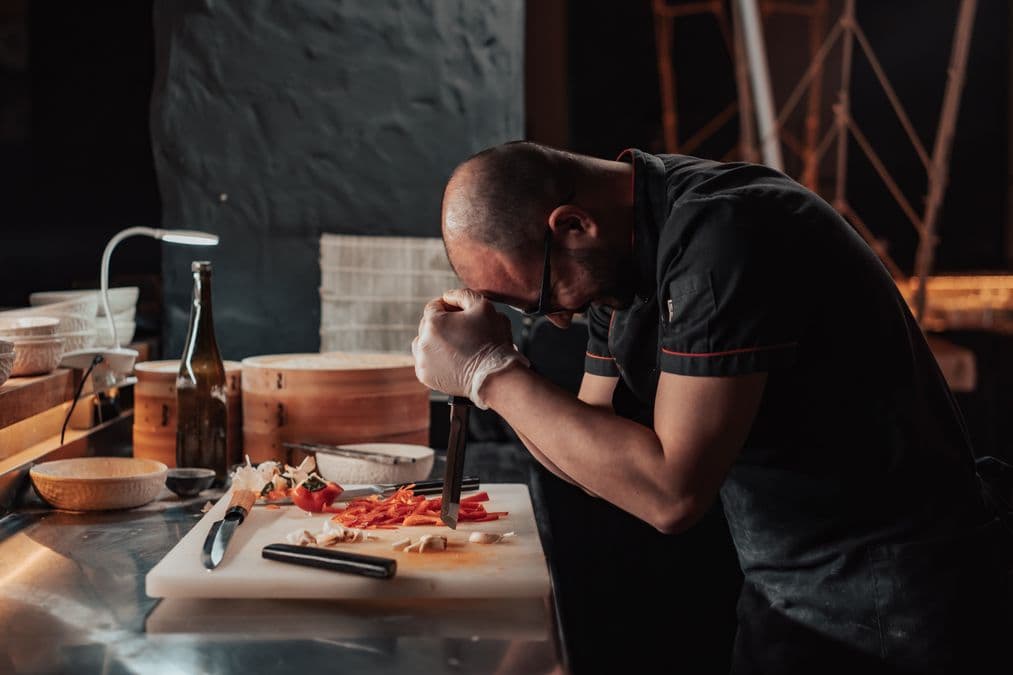
Three people ask three different questions, but they all Google the same thing: "can I patent this?" A baker wants to protect a recipe. A founder wants to protect a business idea. A product designer wants to protect a shape. The honest answer is different for each one, and getting it wrong can waste months of effort. Here's what patent law actually says about recipes, business ideas, and designs, and where each one really belongs.
Can you patent a recipe?
Rarely, and probably not in the way you're imagining.
A recipe is usually just a list of ingredients and a set of steps. To get a patent, an invention has to be novel and non-obvious, not just a new mix of known things done in a fairly predictable way. Swap chilli for cayenne, or bake five minutes longer, and a patent examiner will likely call that an obvious tweak rather than a real invention.
Take Priya, a home baker who spent a year perfecting a salted caramel and chilli sauce for her market stall. Customers loved it, and she started wondering if she should patent it before a bigger company copied her. In practice, patenting would mean publishing her exact method for the world to read, and the patent would expire after 20 years anyway. Keeping it a trade secret protects it for as long as she keeps quiet, with no filing fees and no public disclosure.
This is why the food industry leans so heavily on secrecy. There's a widely told story about a certain soft drink formula that was reportedly never patented, precisely because a patent requires public disclosure and has a fixed lifespan, while a trade secret can last indefinitely if it's genuinely guarded. Whether every detail of that story is accurate is beside the point; it illustrates the trade-off well. A patent trades secrecy for a time-limited legal monopoly. A trade secret keeps the recipe closed, at the cost of having no legal protection if someone works it out independently or it leaks.
That said, "recipe" and "food science" aren't the same thing. A genuinely new preservation technique, a novel way of stabilising an ingredient, or an unexpected chemical interaction discovered through real research can be patentable. That's an invention in the technical sense, not a cooking method. If you've written down your recipe in a cookbook or blog, copyright can protect that specific text and photography from being copied word for word, but it won't stop someone else cooking the same dish from their own instructions. For a wider look at protecting work outside the patent system, see our guide on how to protect an invention without a patent.
"People often confuse protecting the idea with protecting the expression of it," as one patent attorney puts it. "You can't patent a flavour. You can sometimes patent the process that creates it, if that process is genuinely new."
Can you patent a business idea?
No. This one has a firm, well-established answer.
Abstract ideas, ways of organising commerce, and business methods on their own are excluded from patent protection under US law, particularly since the Supreme Court's decision in Alice Corp v CLS Bank International. The court's reasoning was that if abstract ideas could be locked up simply by attaching them to a computer, entire fields of ordinary commercial activity could end up owned by whoever filed first.
So "a subscription model for pet food" isn't patentable. Neither is "an app that connects dog walkers with owners", described in the abstract. What can sometimes be patented is a specific technical system that implements part of that idea in a genuinely new technical way, such as a novel routing algorithm, a new kind of sensor, or a particular data structure that solves a real technical problem. The protection attaches to that technical solution, not to the underlying business concept, and not to the idea of connecting buyers and sellers more generally.
This trips up a lot of software founders, because it's tempting to think an app idea is protectable simply because no one's built it yet. If you're building something with a genuinely new technical component, our guide on how to patent an app idea walks through what actually qualifies. For the broader question of protecting an idea before it becomes a product, see how to patent an idea. Either way, it's worth running a search of existing patents and applications before spending money on a filing, since a surprising number of "new" business concepts turn out to already have prior art; a patent search is the quickest way to check.
Can you patent a design?
Yes, and this is where the answer changes completely.
If you've created a new ornamental or visual design for an article of manufacture, meaning how something looks rather than how it works, that's exactly what a design patent covers. Think of the shape of a bottle, the surface pattern on a phone case, or the distinctive silhouette of a chair. None of that needs to solve a technical problem. It just needs to be new, original, and non-obvious as a piece of visual design.
Design patents run on their own set of rules. They last 15 years from grant, with no maintenance fees required to keep them alive, which makes them noticeably simpler to manage than a utility patent. They also sit alongside, rather than instead of, other protections; a product can have a utility patent for its mechanism and a design patent for its appearance at the same time. Before filing, it's worth checking what's already out there, since visual designs get copied and reused constantly. Our design patent search guide covers how to check for existing designs properly.
Recipe, idea, or design: what actually protects each one
| What you want to protect | Right protection | Why |
|---|---|---|
| A recipe or formula | Trade secret (usually) | Ingredient lists rarely meet the novelty bar; secrecy lasts as long as you keep it |
| A new food science process | Utility patent | A genuinely novel technical method can qualify, unlike an ordinary recipe |
| A business idea or model | Generally none | Abstract business methods are excluded from patent protection |
| A technical system behind the idea | Utility patent (sometimes) | Protection attaches to the specific technical solution, not the business concept |
| The look of a product | Design patent | Covers ornamental appearance only, separate from how it works |
| Written recipe text or photos | Copyright | Protects the expression, not the method itself |
Key takeaways
- A recipe alone is hard to patent; most food businesses rely on trade secrets instead, which can last forever if kept quiet.
- A genuinely new food science process, like a preservation method, can be patented; an ordinary recipe usually can't.
- A business idea or business model, by itself, isn't patentable in the US; only a specific technical implementation might be.
- A new product look or shape can get a design patent, lasting 15 years with no maintenance fees.
- Copyright can protect written recipes and business plans as documents, but never the underlying method or idea.
This article is general information, not legal advice. Patent law is fact-specific and varies by country, so speak to a qualified patent attorney before making filing decisions, and check current fees and requirements before you commit any budget. If you're weighing up whether a filing is worth it, comparing plans on our pricing page is a useful starting point for search tools, though it isn't a substitute for legal advice.
Sources and further reading
Common questions
Can I patent a recipe?
Almost never, and usually you wouldn't want to. A list of ingredients and steps is generally seen as an idea, not an invention, so it fails the novelty and non-obviousness tests patent offices apply. Most food businesses protect recipes as trade secrets instead. The exception is a genuinely new food science breakthrough, such as a novel preservation method, which can sometimes be patented.
How do restaurants protect their recipes?
Mainly through secrecy, not paperwork. They limit who knows the full recipe, split preparation between staff so no one person has the whole picture, and use non-disclosure agreements. This is a trade secret, and unlike a patent it never expires, provided the secret is kept.
Can I patent a business idea or business model?
No. Abstract ideas about how to run or organise a business are excluded from patent protection. What can sometimes be patented is a specific, technical system that carries out part of that process in a genuinely new technical way, such as a novel piece of software or hardware. The business model itself stays unprotected.
What's the difference between a design patent and a utility patent?
A utility patent protects how something works or is used, and lasts up to 20 years with maintenance fees. A design patent protects only how something looks, its ornamental appearance, lasts 15 years, and has no maintenance fees. They're separate systems answering different questions.
Now run it on your invention
Patent77 executes this method against the live record — three free searches a month, every reference cited to its source.
Related posts
Patent77 searches the public patent record and organizes what it finds. It is not legal advice, and no search — automated or professional — can guarantee that all relevant prior art has been found. Every reference links to its source document so you can verify it yourself, and filing decisions should be made with a registered patent attorney or agent.